
Fix It Together: Neighbourly Skills, Shared Tools, Lasting Change
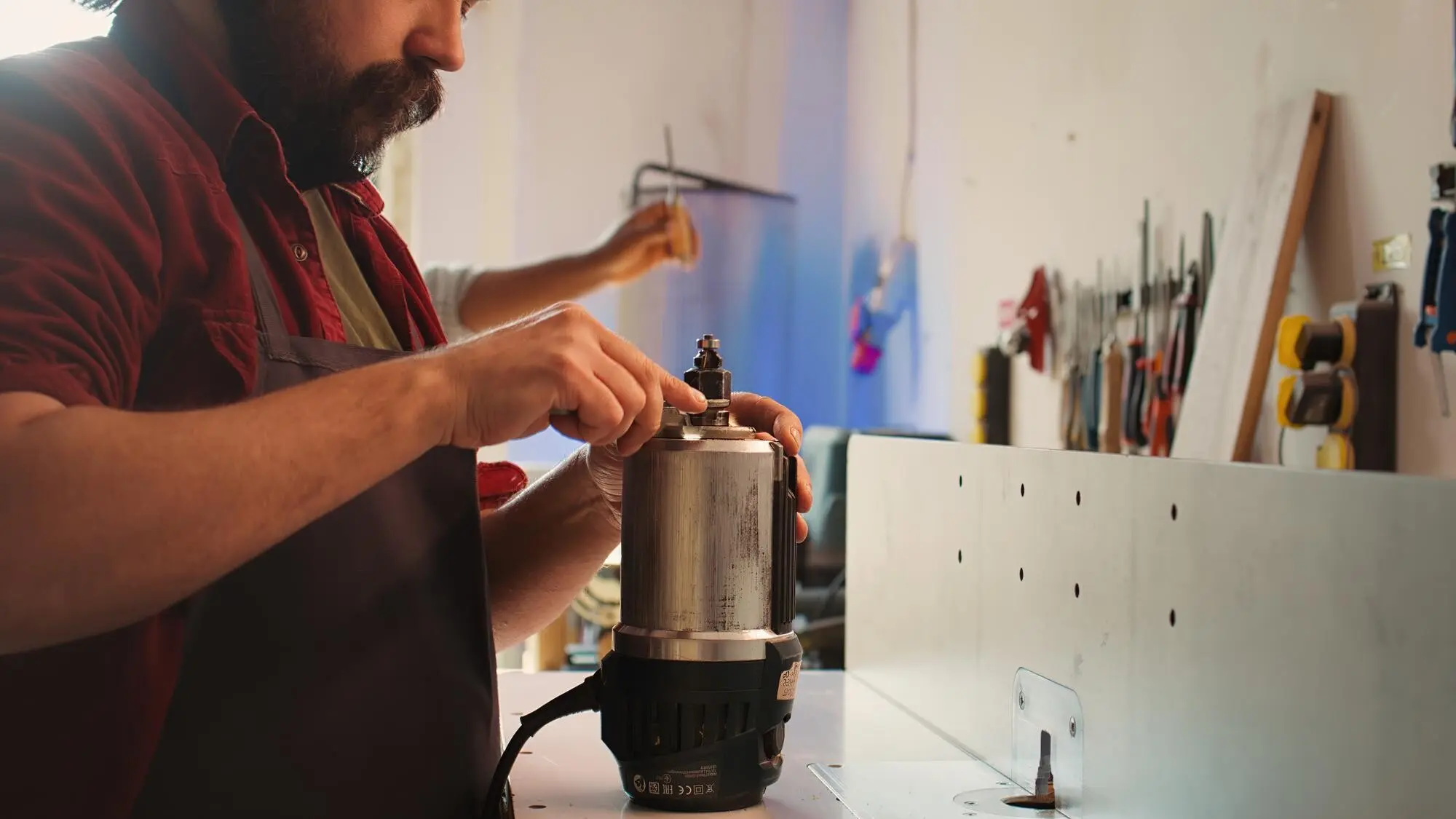
Step inside a welcoming world of Community Repair Cafes across the UK, where volunteers and visitors sit shoulder to shoulder, diagnose broken items, learn practical skills, and rediscover care for the things they own. We’ll explore friendly workshops, inspiring stories, measurable environmental benefits, and simple ways you can join in, whether you bring a wobbly chair, a quiet toaster, or just curiosity. Brew a tea, roll up sleeves, and discover how small, shared fixes spark resilience, joy, and genuine community connection.

Why Mending Matters Now

Repair gatherings flourish because they answer everyday pressures with warmth and know‑how. As living costs rise and waste mounts, people want practical alternatives that stretch budgets and protect the planet. In Britain’s high streets and village halls, volunteers revive appliances, garments, and bikes, guiding owners through the process. The experience reduces carbon, keeps cherished objects in service, and replaces isolation with conversations. Most of all, it restores confidence: people leave understanding how things work, and why choosing repair over replacement builds a steadier, kinder future for everyone.

From Throwaway to Keep‑Forever Mindset
We inherit habits shaped by convenience, yet a gentle afternoon beside a fixer can transform assumptions. Watching a kettle open, revealing a simple loose connection, demystifies design and encourages questions. The moment a visitor tightens their first screw or reattaches a clip, ownership shifts from consumer to caretaker. That new identity travels home, influencing family choices, shopping lists, and conversations with neighbours. Over time, a street full of caretakers becomes a community that values durability, stories, and shared problem‑solving far more than impulse replacements.

Cutting Carbon With Screwdrivers and Thread

Every saved appliance represents materials not mined, factories not powered, and shipments not sent. When a zip is replaced or a lamp rewired, the embodied energy remains useful for years. Multiply that by dozens of fixes each month across towns and cities, and the emissions avoided accumulate meaningfully. Repair Cafes make climate action tangible: you can hold the impact in your hands, feel the working switch, wear the mended coat through rain, and tell friends how a fifteen‑minute intervention accomplished what a purchase never could.

How a Typical Session Unfolds

The Welcoming Table and First Diagnosis

Registration is more conversation than formality. Volunteers ask about the item’s history, previous attempts, and symptoms. That story matters: it directs tests, highlights likely points of failure, and respects the object’s significance. Clear guidance sets expectations, including safety checks and time limits. The first screwdriver turn is deliberate and calm, establishing trust. Visitors are invited to watch closely, ask questions, and hold parts safely. By the time the casing opens, everyone at the table understands the plan and how each action supports careful discovery.

Benchside Collaboration, Not a Drop‑Off

You are not a customer; you are a partner. Volunteers narrate each step, from continuity tests to assessing strain relief, encouraging you to handle tools when safe. This shared practice slows the urge to rush, replacing hurry with attention. Even tiny victories, like identifying a broken zip slider or spotting heat damage near a terminal, become shared achievements. When repair succeeds, you know exactly why. When it fails, you understand next options, suppliers, or safer recycling. Either way, confidence and community grow measurably with each attempt.

A Cup of Tea, A Shared Breakthrough

Between multimeter readings and stitch counts, someone appears with biscuits. That pause changes everything: ideas click, a fresh angle emerges, or a shy visitor volunteers a helpful memory. The conversation broadens to travel mugs, wool types, and where to find spare grommets locally. People swap tips on borrowing specialty tools, lending books, or checking diagrams. When the kettle’s whistle returns after a cleaned thermal fuse, the room cheers softly. The celebration is small but sincere, and its warmth lingers long after the mugs are washed.

Objects With Stories

Many items carry memory stitched, screwed, or welded inside. A bread maker recalls a wedding gift; a bicycle bears muddy childhood adventures. Repair Cafes respect that heritage, choosing care before force, and patience before replacement. Volunteers often ask why the object matters, recognising that motivation fuels perseverance. A tiny success can unstick grief or renew confidence. When owners wipe casing dust, tighten hinges, and test buttons, relief floods in. The object remains itself, but its meaning deepens, now entwined with neighbours who helped restore it.

The Toaster That Fed a Fresh Start

A visitor arrived with a silent toaster, bought during a tough move. The lever would not stay down, and breakfasts felt heavier for it. Together we opened the casing, found a tired electromagnet, and cleaned crumbs from every corner. The moment the carriage locked, someone laughed, someone clapped, and the owner whispered thanks. That week, slices browned evenly, mornings steadied, and conversations brightened. The fix cost nothing but attention, and it returned something priceless: predictability, warmth, and the courage to invite a neighbour for tea.

A Lamp That Lit Three Generations

An art‑deco lamp had watched over homework, late knitting, and bedtime tales. Its brittle flex cracked; the shade drooped sadly. We measured, rewired with heat‑resistant cable, secured strain relief, and polished the base. When the bulb glowed again, the family took turns switching it on, each remembering a story. The grandparent spoke softly about rationing, the parent about night shifts, the child about secret drawings. That evening’s light felt fuller than lumens suggest, because craft preserved continuity, and continuity steadied hearts better than new packaging ever could.

Getting Involved Across the UK

Participation starts with curiosity and grows through tiny, repeatable actions. Search community listings, libraries, and local environmental groups for monthly events. Bring something fixable, or just observe and pour tea. Organisers value greeters, data recorders, safety stewards, and storytellers as much as soldering experts. Training is friendly, responsibilities small at first, and support constant. You can also lend venues, share publicity, or coordinate parts donations. Every contribution multiplies others, turning scattered efforts into dependable gatherings where people know they can bring problems and leave hopeful.

Tools, Parts, and Safety

Good fixes rely on modest, well‑chosen gear and steady habits. Mixed benches handle textiles, wood, bikes, and electrics, so layout and checklists matter. Clear signage, insulated mats, cable management, and careful lighting support focus. Volunteers agree boundaries, from what can be opened safely to when to stop. Consumables and spares are logged thoughtfully, reducing waste and ensuring availability. Visitors learn that caution is respect, not fear. Confidence grows with each neatly crimped terminal, reinforced seam, trued wheel, and documented decision that protects both people and belongings.

Measuring Impact and Sharing Success

Simple Metrics That Matter

Track essentials you can sustain: item types, estimated weights, fix outcomes, visitor numbers, volunteer hours, and common failure points. Add a notes field for surprises and clever workarounds. Weighing repaired goods reinforces the tangible diversion from disposal. A small spreadsheet or clipboard grid suffices if everyone uses the same terms. Review quarterly, spot opportunities for training, and celebrate quiet heroes who log data faithfully. Metrics become meaningful when they guide better setups and encourage gentle, focused improvements rather than chasing perfection.

Storytelling That Travels Far

A single paragraph about a rescued sewing machine can recruit three new volunteers. Share before‑and‑after images, highlight learnings, and tag local partners. Keep tone generous, crediting visitors for involvement and thanking donors for materials. Short videos of careful diagnostics demystify the process and reassure hesitant guests. Newsletters that pair one metric with one heartfelt story achieve memorable balance. Encourage replies with prompts: What would you like to mend next month? Which tools puzzle you? Each response opens a conversation that sustains momentum between gatherings.

From Local Wins to National Momentum

When neighbourhood groups exchange guides, spare parts lists, and outreach templates, confidence spreads quicker than any single event could manage. Regional meetups compare safety practices and celebrate breakthroughs. Councils notice cleaner waste streams and happier residents. Schools request demonstrations that turn homework into hands‑on curiosity. Soon, a patchwork of sessions becomes a dependable map of opportunities, so people expect repair to be available like libraries and parks. That expectation nudges manufacturers, retailers, and policymakers toward designs and services that welcome mending rather than resist it.
Daritavoveltoteminexopexinovi
Privacy Overview

This website uses cookies so that we can provide you with the best user experience possible. Cookie information is stored in your browser and performs functions such as recognising you when you return to our website and helping our team to understand which sections of the website you find most interesting and useful.